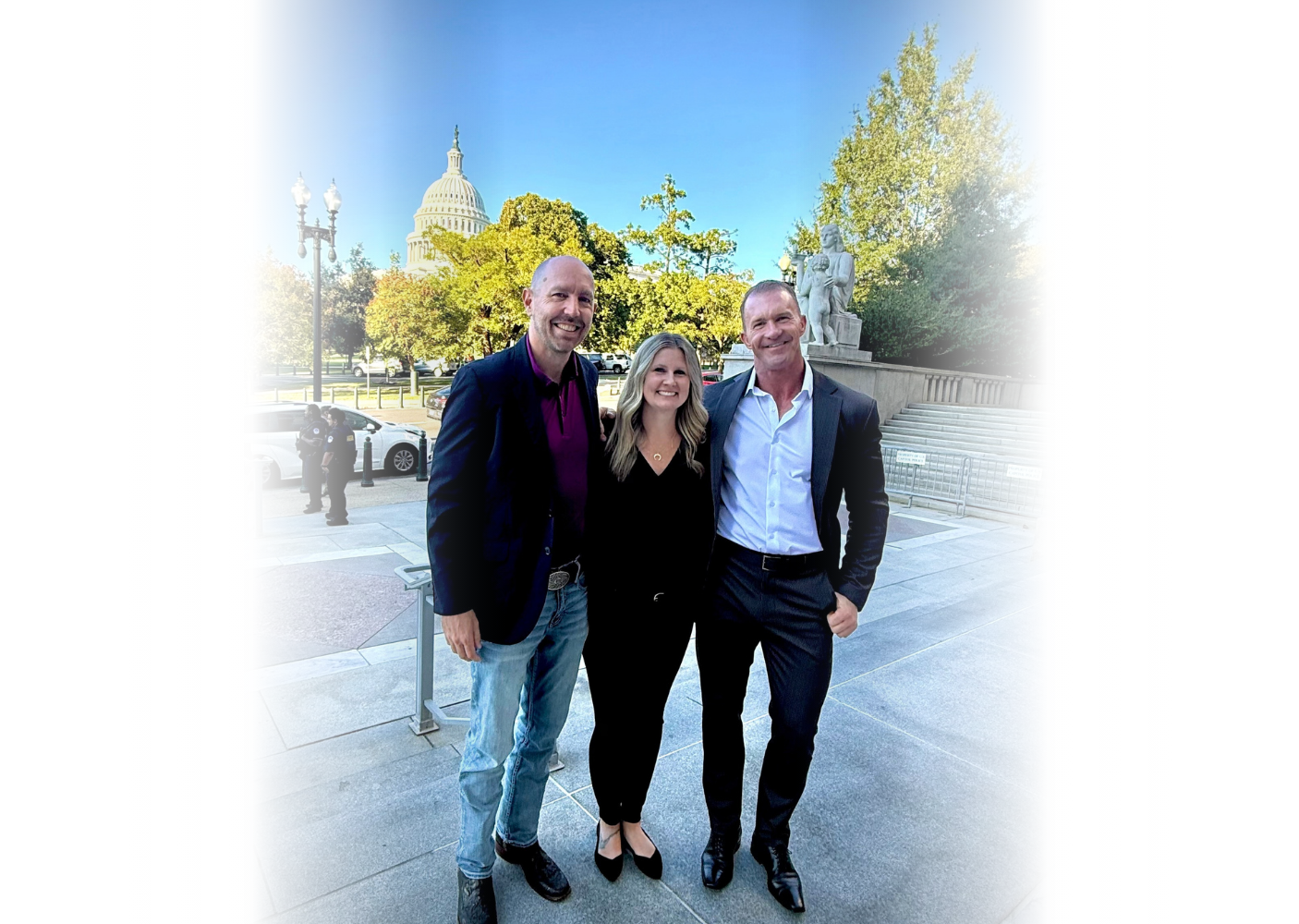
GIA Executive Director Darrell Fleming-Kendall recently attended the DCNY Summit 2026 in Washington, D.C., joining conversations at the intersection of policy, technology, capital, and innovation.
Held on Capitol Hill on September 16, DCNY Summit 2026 brought together policymakers, business leaders, investors, innovators, and international participants for discussions around artificial intelligence, the future of work, innovation investment, competitiveness, and cross-border collaboration.
For Darrell, one of the most important takeaways extended beyond any single policy discussion. It was the growing gap between the speed at which technology is advancing and the speed at which institutions are able to understand, respond to, and ultimately shape that change.
That has important implications for the ITAD industry.
As Darrell reflected following the summit, ITAD occupies a unique position in the technology lifecycle. It is where technology becomes physical again where devices become assets, components, materials, data risk, and opportunities for reuse and recovery.
In moments when decisions move faster than understanding, what responsibility do those closest to the systems have to bring clarity, leadership, and accountability to the table?
Conversations around AI, manufacturing, supply chains, critical materials, infrastructure, and national competitiveness increasingly intersect with the realities ITAD professionals encounter every day.
As these conversations continue to evolve, GIA sees an important role for the ITAD community in contributing practical insight to broader discussions on technology, materials, supply chains, and the future economy. The question is no longer simply whether ITAD deserves a seat at the table. It is how the industry can bring its practical knowledge forward when decisions about the technology lifecycle are being made.